

In 2018, ElectricAid partnered with AFFCAD (Action for Fundamental Change and Development) in Uganda, where only about a quarter of the population who have access to electricity with heavy reliance on hydro-power. The limited or lack of electricity is much more visible in rural areas of the county where electricity has recently been made available. However, Uganda has a climate suited to Solar Energy and in 2018,
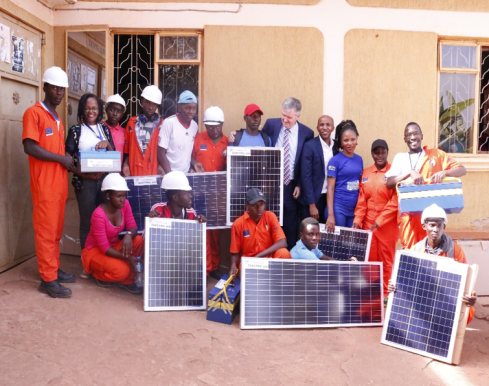
ElectricAid partnered with AFFCAD (Action for Fundamental Change and Development), a youth-led organisation devoted to transform the living conditions in some of the poorest slums of Uganda’s capital, Kampala. AFFCAD provides three programmes: The Excel Education Centre which offers free primary school education to 200 OVCs (Orphaned & Vulnerable Children) in Bwaise; “My Health My Duty” health programme that ensures that young people have access to SRH (Sexual & Reproductive Health) information and care services, including family planning and education; BBVI (Bwaise Business & Vocational Institute) which provides vocational training to youth to gain skills such as IT, sewing, dressmaking, cooking, childcare, basic electronics, photography, and video production. The BBVI programme also provides Electrical Installation Technician training.
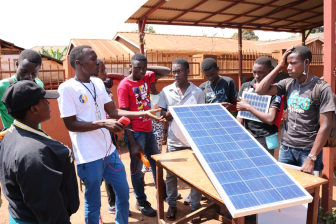
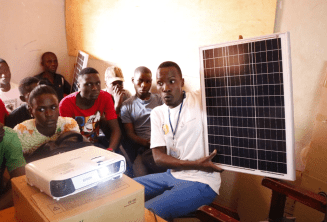
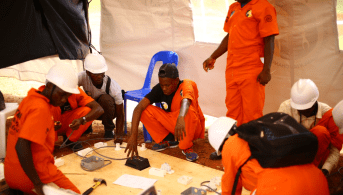
With ElectricAid’s contribution, AFFCAD were able to provide SOLAR PV installation training for three months to the BBVI students. The students were able to learn the basic components that make up a Solar PVC System in terms of DC and AC installation systems, the sizing of the Solar System in both theory and practical, how to operate and maintain the system, designing Solar PVC installation projects, and much more. As a result, many of the graduates from the programme were able to get access to employment opportunities in various electrical companies and it also attracted more youth to the course which further strengthens the quality and relevance of the training programme. In addition, there is now improved access to electricity in Bwaise and other slum areas in Uganda.
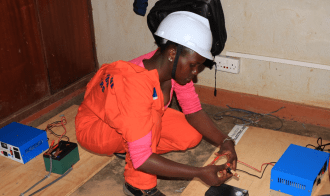
Overall, the project was a huge success and directly addressed UN Sustainable Goals #1 No Poverty, #4 Quality Education, #7 Affordable and Clean Energy, #8 Decent Work and Economic Growth, and #11 Sustainable Cities and Communities.


 electricaid.ie